 Prose
Prose
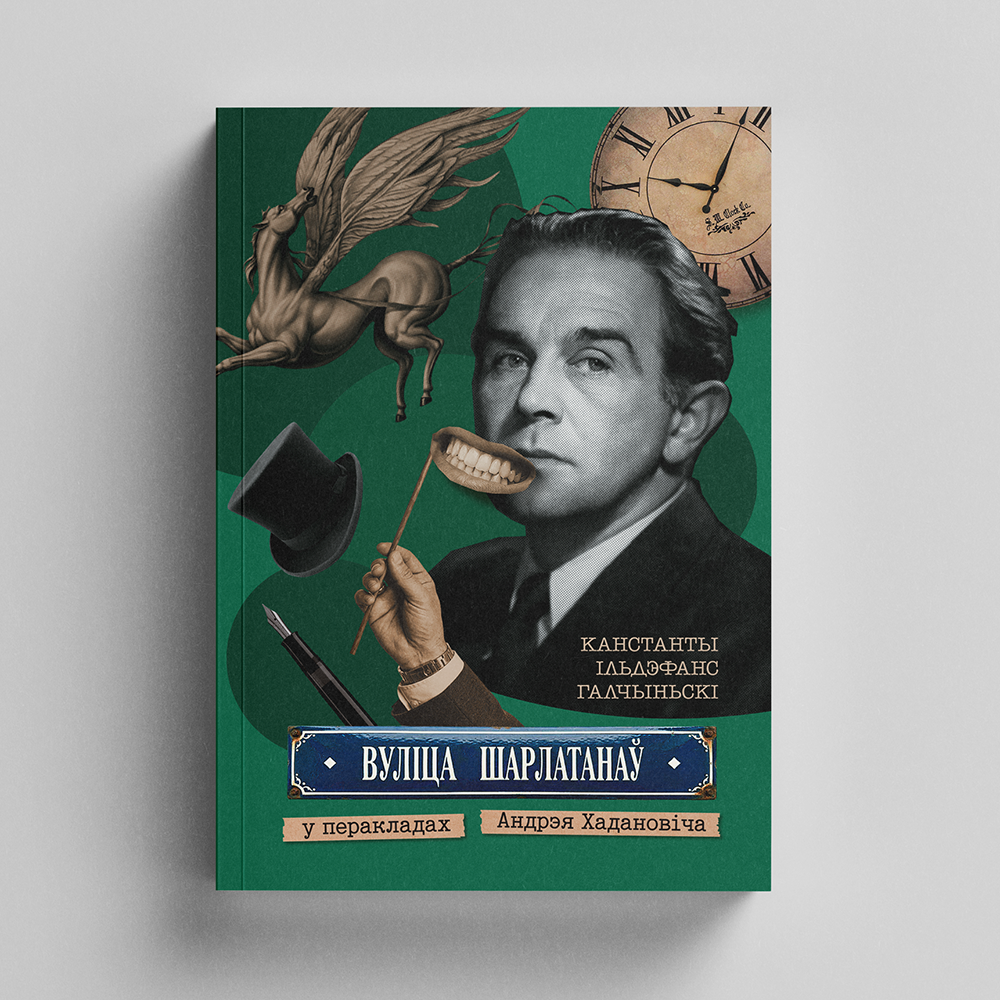
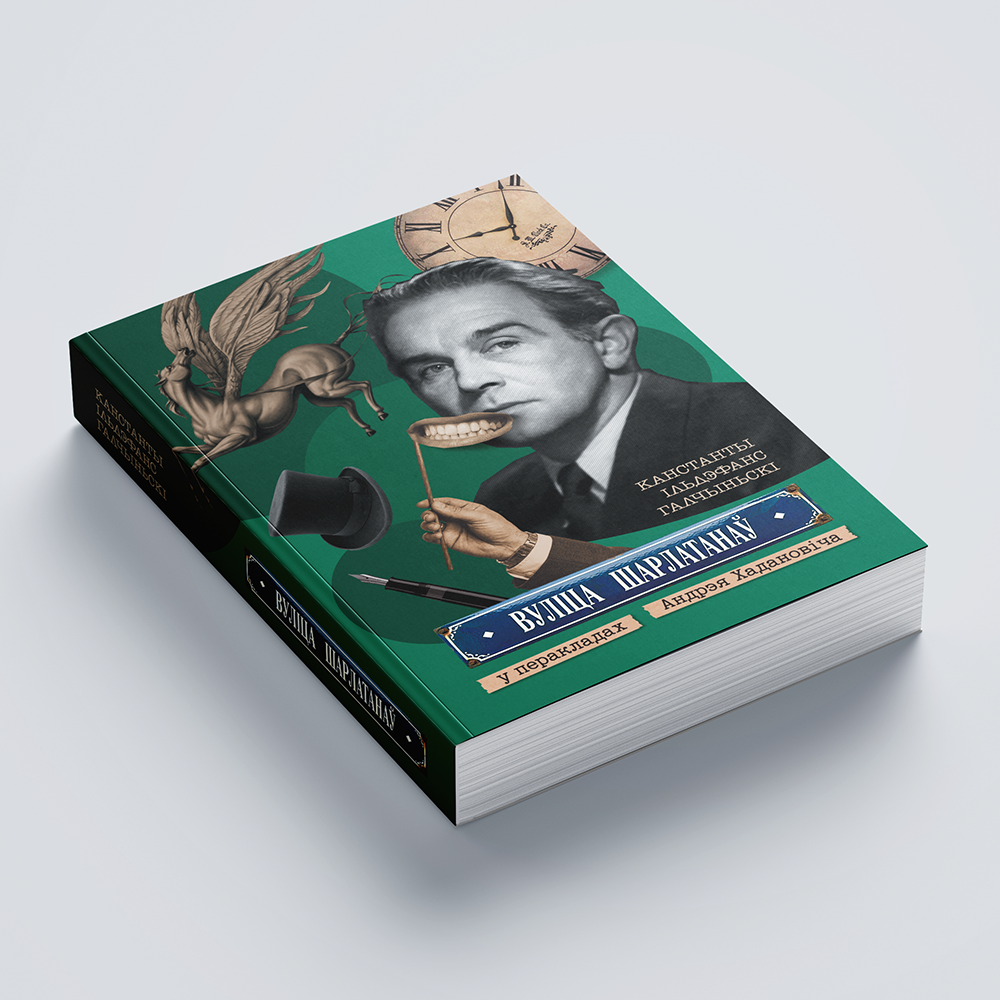
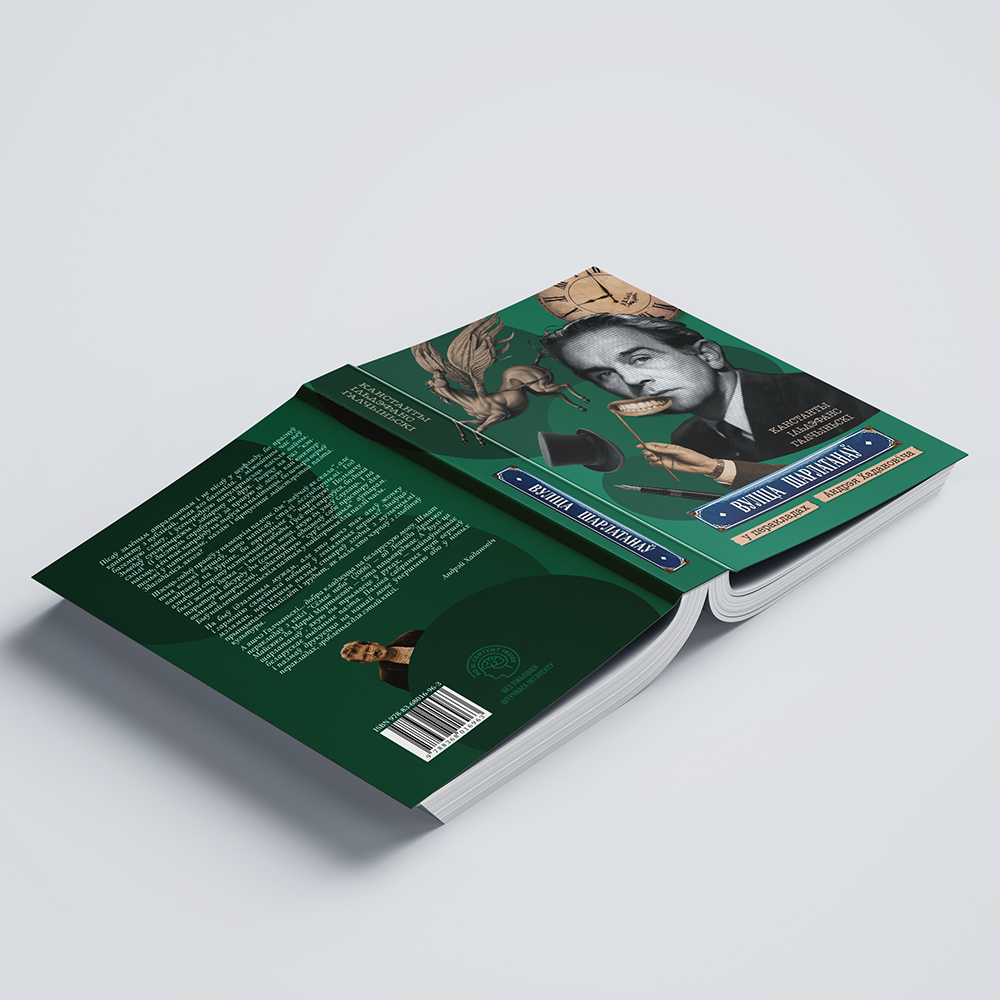
Description
He wrote in green ink and never kept his works, as he longed for contact with the audience that adored him. During the interwar period, he enjoyed fame as a bohemian artist, and after the war, he became everyone’s favorite. His books were published in huge print runs, while his works were banned from publication. The author was repeatedly “subjected to censorship” (and attempts to do so continue to this day) for right-wing or left-wing opportunism, yet in reality he had no clue about politics, as he sincerely believed only in inspiration, poetry, and the virtuoso artistry of the poet. Have you guessed who we’re talking about?
He spent six years in German captivity, where he “remained silent as a stone,” but the few poems he did manage to write despite everything became legendary. He traveled throughout Europe for an entire year, as a return to “people’s” Poland would have meant the loss of his poetic freedom. And yet he returned, because his wife and daughter were waiting for him at home—as well as the Polish language, which he knew how to listen to. In the realm of absurdity and (self-)irony, he carved out a space for free creativity, one inaccessible to more “serious” authors. He was the greatest Polish poet during the worst of times for poetry.
He was not the ideal husband, but who else praised his wife and the harmony of family life so highly in brilliant poems? As a connoisseur of music, he composed his best poems guided by musical principles. As a polyglot and scholar, he drew from the depths of culture like few others.
And his poems also translate well into Belarusian. This is evidenced by the numerous translations from the collection *Seventh Heaven* (2006) — from Leanid Drańko-Majsiuk to Maryja Martysievič. The collection *Street of Charlatans*, which you now hold in your hands, is the most comprehensive Belarusian edition of this poet’s work. Half of the poems and long poems included in it are appearing in our language for the first time or in new translations prepared specifically for this book.
(c) Andrei Chadanovič
Reviews
There are no reviews yet.