 Prose
Prose Poetry
 Translations
 For children
 Maps
Maps Games
Games

![Corpus vile by Artur Kamaroŭski [BLR]](https://gutenbergpublisher.eu/wp-content/uploads/2026/01/kamarouski-430x430.png)
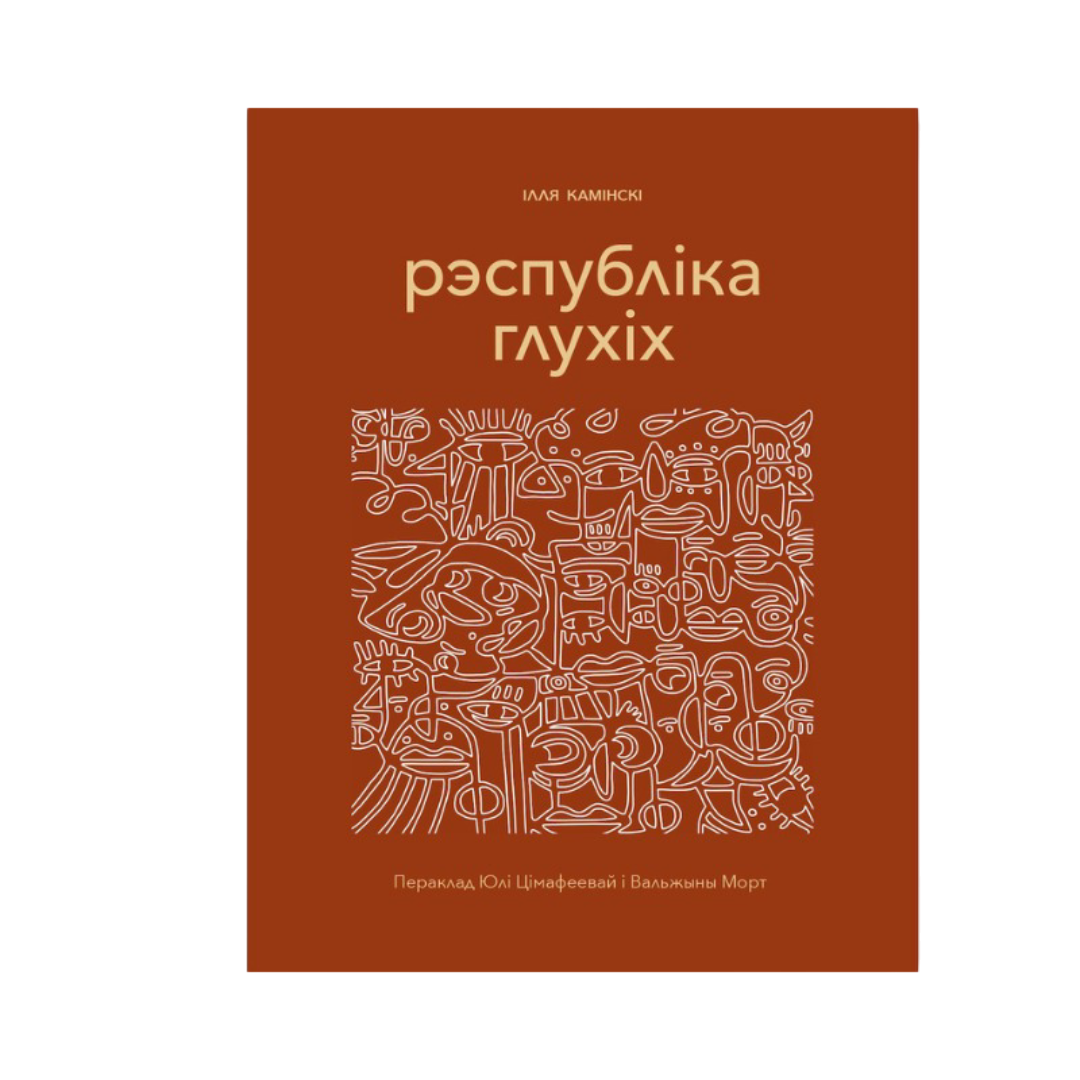
Description
The action of “Deaf Republic” unfolds during a time of political turmoil in an occupied territory. Although the place and time are not precisely defined, in these horrific events, it is easy to recognize our era and our country.
This stunning parable in verse resembles a dramatic work in form. It opens with the scene of the killing of a deaf boy, Petya, by the occupiers. The gunshot that pushes the residents to protest is the last sound they hear. The town goes deaf, and in this silence, sign language becomes the language of their silent resistance.
The book intertwines stories of private life under conditions of total violence:
-
Newlyweds Sonya and Alfonso, who are expecting a child;
-
Brave Momma Galya, who instigates a rebellion in her puppet theater;
-
Puppeteers who secretly teach the townspeople sign language by day and lure soldiers behind the theater curtain by night.
“The deaf do not believe in silence. Silence is the invention of the hearing.”
Ilya Kaminsky — born in Odessa, now a US citizen. Author of two landmark poetry collections (“Dancing in Odessa” and “Deaf Republic”), one of the most important writers of his generation. He is actively involved in the popularization of world poetry and translation.
Julia Cimafiejeva — Belarusian poet and translator, author of the book “Minsk Diary.” Winner of the Carlos Sherman Prize for the translation of Stephen Crane’s poetry.
Valžyna Mort — Belarusian poet, lives in the USA. Author of the poetry collection “Music for the Dead and Resurrected,” which received the prestigious International Griffin Poetry Prize. She teaches at Cornell University.





Reviews
There are no reviews yet.