 Prose
Prose
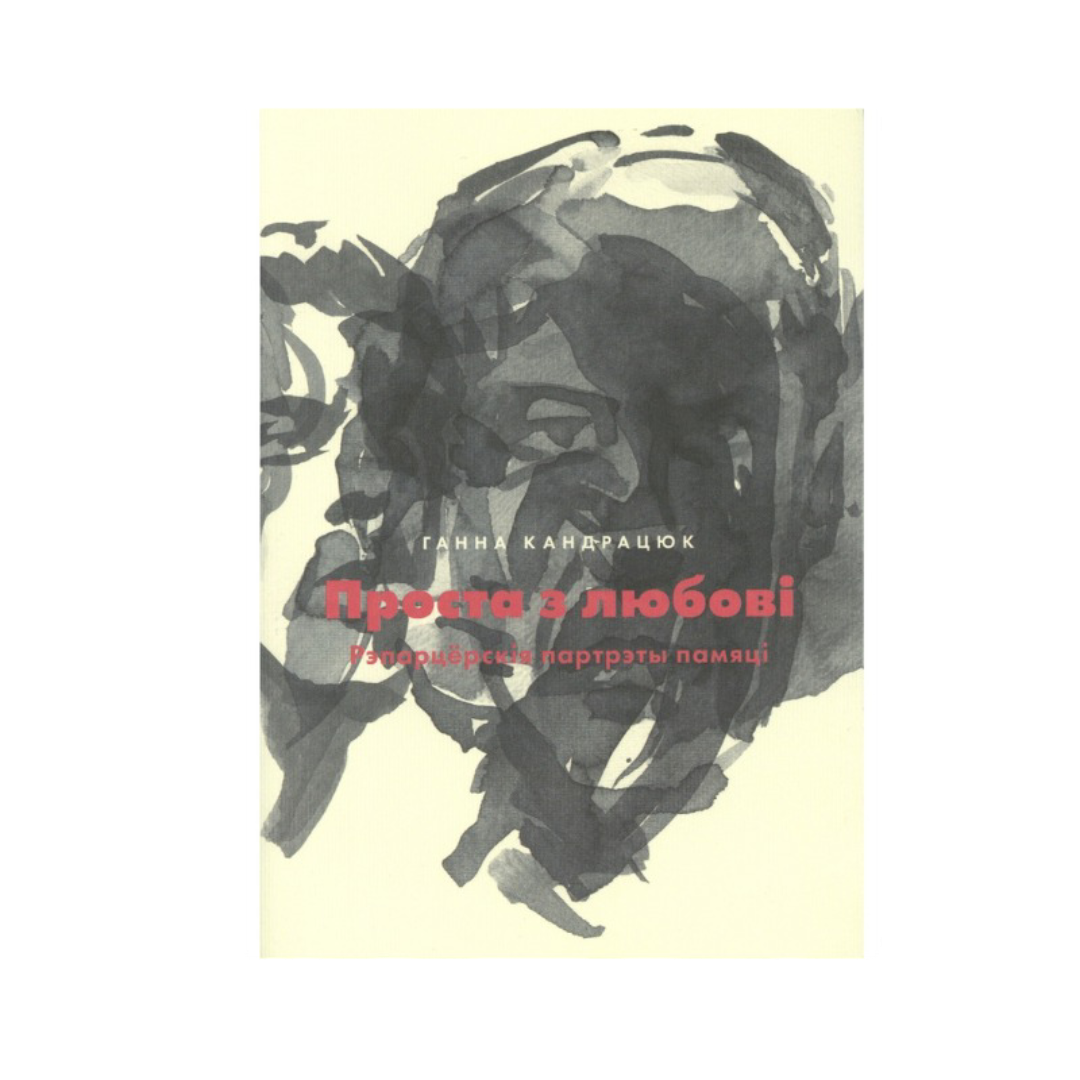
Description
Under the cover — seven travel portraits: Kastuś Kalinouski, Jerzy Popiełuszko, Saint Mary (Petruczuk), Aleś Puszkin, Jurka Hil, Nadzieja Artymowicz, Jura Humieniuk.
And here is what Uładzimier Niaklajeu wrote about the book:
“I haven’t read anything with such pleasure for a long time as the reports of Hanna Kondraciuk, collected by the weekly ‘Niva’ for her new book. In essence, they can be classified as non-fiction, a genre of modern literature, because in them dozens of real characters with their own fates and characters state their cases and act, each evaluating in their own way the historical role, interpreting the fate and character of the main hero: be it the poet Humieniuk or the revolutionary Kalinouski. Moreover, these evaluations, as they are in real life, are far from coinciding, sometimes simply opposite.
Take, for example, the report about Kastuś Kalinouski, the truth about whom, as the author of the report states (with which I agree), is told not in historical treatises, but in fiction: in Uładzimier Karatkiewicz’s novel ‘The Ears of Rye Under Thy Sickle,’ Sokrat Janowicz’s novella ‘The Silver Rider,’ and Arkadź Kulašoŭ’s poem ‘Chamutius.’
It is also in the report: — Do you love Kastuś? — Yes, deeply. — Who is Kalinouski to you? — A central figure associated with the independence of Belarus.
That is one thing. What Uładzimier Karatkiewicz wrote about in his novel or what the artist Piotra Serhijevič painted on his canvas. But here is the other: ‘Why do you need that Kalinouski?.. Do you not have enough to write about normal people in that «Niva»? Why do you need to «highlight» that rebel?.. He could not stand the Orthodox spirit. No need to praise and illuminate him. Let the Poles take him for themselves and praise him.’
And where does the author of the report hear such things? In Mostowlany. The village considered the birthplace of Kalinouski, whose residents recall how once scientists from Belarus came to them and started a conversation: ‘We came to you because here, in your village, a great man was born…’ — and one old man snapped back at them, saying ‘they shouldn’t go on about great people here, because here, in Mostowlany, everyone was born small.’
Like a grain of gold, the metaphor flashed!.. And behind it — character. And behind character — fate. Of the old man. Of the village. Of the people. This is not the truth about Kalinouski. This is our truth about ourselves. And for the very reason that it is expressed here like nowhere else, it is worth reading this book, for Hanna Kondraciuk has a rare human and literary gift: to notice how the golden grains of life glitter in the rubbish of everyday existence.”
Reviews
There are no reviews yet.